Showing posts with label Subfloor Ventilation. Show all posts

Tuesday, 19 October 2021

What is Subfloor Ventilation? What it Is and How it Works

Subfloor ventilation Sydney is an important investment in your flooring. Not many people realize just how important subfloor ventilation is. Your subfloor is an essential part of the building, which is why you need to do what you can to ensure the longevity of this part of your flooring. Reading on, you can learn all about what subflooring ventilation is and how subfloor ventilation works.

What is Subfloor Ventilation?

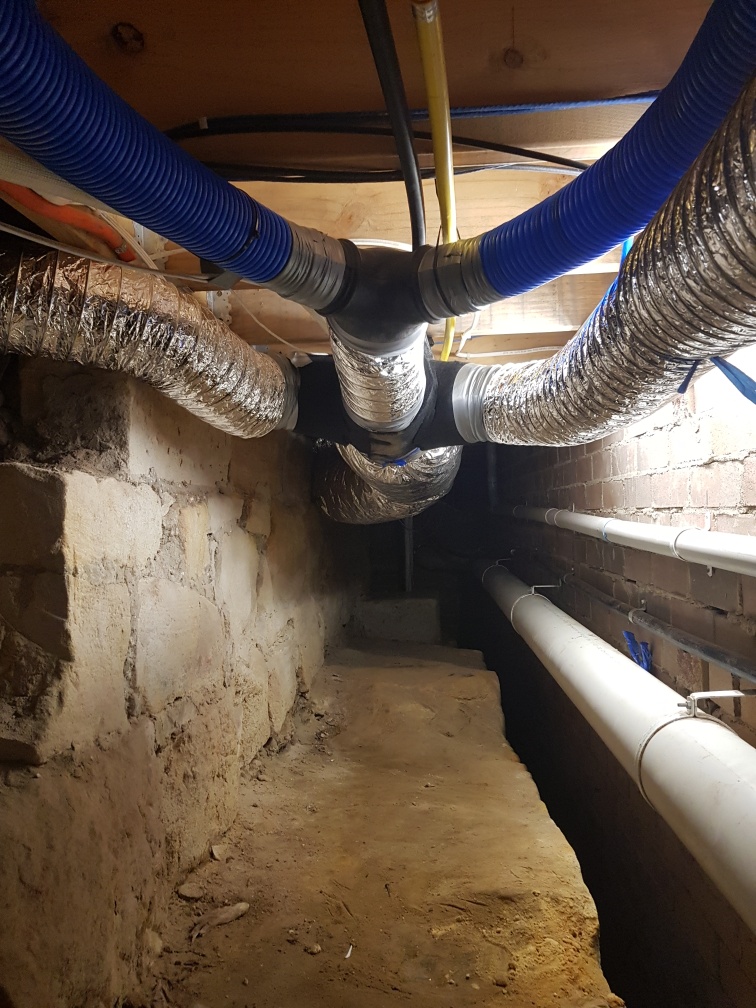
The subfloor ventilation system works to extract damp air from inside of the home and then allows the dry air entering into the home, all through the areas underneath your floor. This system is installed in the subfloor area of the home with the purpose of preventing any excess moisture from getting inside of your home. If you don’t have proper subfloor ventilation, you can experience the following:

  • Mold growth in wardrobes
  • Mold growth on or in your walls
  • Issues with allergies and asthma
  • Signs of termites, as they love damp subfloors

How Does Subfloor Ventilation Work?

As previously mentioned, the subfloor ventilation is supposed to replace the moist air with dry air. The simplest way to do this is through installing a number of vents in the wall throughout the building or home to offer natural ventilation for the underfloor ventilation. Sometimes this natural approach is sufficient enough. However, sometimes there needs to be a subfloor ventilation system installed using subfloor fans, which helps you to take the damp and stale air from the subfloor area. The system will then replace it with fresh air that is drawn from the outside by the subfloor fans.

These fans are installed to create a cross flow ventilation, which pulls the fresh air from one part of the home or building through the subfloor and extracts moisture on the opposite side. This increases the underfloor ventilation. For this cross flow to be effective, the air should only enter in from one side of the building and the subfloor fans should be extracting this from the opposite side of the building. If the cross flow isn’t really an option, you can create ducts for the subfloor to other locations in order to extract the moisture from the central locations or other specific damp locations.

You need to choose where to install your subfloor ventilation system in order to ensure how effective it will be. You need to think about how the system can only remove the moist air if there is replacement dry air available. This replacement air will typically enter into the subfloor area through strategically placed vents. There are other alternatives that you can look into, such as roof vents, but subfloor ventilation can be a highly effective approach that can be the preferred choice.

Conclusion

Zenith Ventilation wants to share the best information about subfloor ventilation to make sure that customers can make an informed decision. Choosing the right company for your subfloor ventilation needs can make a significant difference in the quality of your subflooring.

Thursday, 17 June 2021

A Home Without Ventilation Will Become Unbearable in Time

More people are turning to subfloor ventilation to adequately ventilate their home. While most people know that a stuffy house can be highly unpleasant, few consider the major health risks that come with a poorly ventilated home.

This article covers the problems caused by living in a house without sufficient ventilation. It will also discuss the services offered by Zenith Ventilation, one of the most reliable companies providing subfloor ventilation in Sydney

Subfloor Ventilation

What Causes Poor Ventilation?

The majority of us have experienced being in a room that has no windows or is overwhelmed with elements like smoke or steam. It can be uncomfortable to be in a poorly ventilated room and all homes are at risk of this. However, certain factors will greatly exacerbate poor levels of ventilation:
  • Poorly built home: whether this is because of an inefficient floor plan or it’s simply a very old property, structural problems run a very high risk of poor ventilation
  • Not opening windows often enough – especially if there are smokers in the home and/or strong household cleaners are used frequently
  • Cold weather: can contrast with the heat of your home to generate condensation
The symptoms caused by poor ventilation will soon become unbearable if left untreated.

The Impact of Living in a Poorly Ventilated Home

Just like our own lungs, the home needs to “breathe” to function. Without access to enough clean air, there will be a build-up of pollutants and toxins within the household, which can lead to a myriad of symptoms.
  • Low oxygen levels caused by a build-up of carbon dioxide – can induce drowsiness, breathing problems and severe headaches
  • Allergies will be exacerbated by irritants in the air; including an irritated nose/throat/eyes and skin problems (eczema)
  • Mould/mildew (caused by condensation) will carry its own health risks and be of particular risk to sufferers of asthma, COPD, etc.
  • In more serious cases there can be a build-up of radon and other highly dangerous toxins, increasing the risk of cancer and nervous system damage.
The risks of a poorly ventilated home are particularly serious for those with existing lung conditions, as well as babies and the elderly. No matter what, though, good ventilation should be a priority for any homeowner.

Why Choose Subfloor Ventilation (and Why Zenith?)

Subfloor ventilation is one of the most effective ways to prevent mould within the home. With the use of extractor fans within the subfloor, the stale air indoors is replaced with clean, fresh air from outside the home.

Zenith Ventilation is one of the biggest names for subfloor ventilation in the Sydney area, although they will also travel further afield for specialised projects. Since business began they have installed thousands of subfloor ventilation systems with glowing reviews.

Zenith means “peak”, and they certainly live up to this name by working with premium-quality suppliers to build modern, efficient systems.

Initially, the Zenith team will do a detailed inspection of your property to determine which of their specialised ventilation systems will be most suited to your home. During the planning and installation process, they take pride in maintaining a friendly client relationship by providing frequent updates.

Once a subfloor ventilation system is installed, it will require minimal upkeep and attention; however, if there are any issues the Zenith team is on hand to help. They have extensive knowledge of all potential problems, and will quickly solve your issue professionally and efficiently.

Overall, it is vital to keep your home as well-ventilated as possible, and Zenith ventilation can help you do this. If you wish to start the process of installing your subfloor ventilation system, get in contact through our website.

Sunday, 22 November 2020

How to Identify You Require Subfloor Ventilation in 2020

Has your home got sufficient airflow? If it does, then you’re probably part of the majority, and that’s a great space to be in. How about your subfloor ventilation? It’s something that people don’t often discuss but is almost equally as important as the air that you’re currently breathing right now!

Subfloor Ventilation

Any kind of moisture that is underneath your home will often make itself known after time with either a musty smell or floorboards that are sunken or swollen. By this time, it’s likely a bit late to nip it in the bud, but it’s never too late to make a change and start caring about the air under your home!

Moisture, while amazing on your skin on a really hot summer day, is like an infectious disease for wood! An environment with some moisture can rot timber quickly and promotes the growth of mould in your home. Unfortunately, once that starts, the mould has no problem entering your home from below and makes for an unwanted houseguest. Equally as unwanted are termites who love to make a nest in damp or rotten timber. Sort it out and get proper subfloor ventilation today.

Identifying the Problem Before it Begins  

You may not even realise that you have a problem before it actually begins and becomes a whole lot worse. Things like the smell of damp, and floorboard changes can show that there are some problems, but we’ve managed to identify a few things that homeowners should look out for and check on within their crawlspace.

● Are there any leaking pipes?

● Can you see mould at all?

● When it rains, is it wet inside the crawlspace?

● Is there a strong smell under the house?

Making a Change

The fix will come in with subfloor ventilation as soon as you’ve fixed potential leakage. There’s humidity that gathers underneath a house and without anywhere to go, the moisture just builds up. You’ll need an exhaust fan to remove the stale air, or perhaps a cross flow of air movement to push air in and out.

Zenith Ventilation specialises in subfloor ventilation and will help you in making suggestions and giving you the options to ensure that these problems never happen again.

Zenith will help you fix your moisture problems in your home now– 1300 137 110

Tuesday, 13 October 2020

The Health Risks Associated with Mould in Your Home

Mould is disgusting! Unfortunately, it’s found everywhere. It’s one of those things that can just grow anywhere, regardless of the surface and all it needs to thrive is a little bit of darkness and some moisture. It’s a moist little intruder that’s almost impossible to get rid of!

If having mould in your home is something that you’ve dealt with before, there’s a good chance that you’ve tried and tested a few different solutions. Water traps are a great way to keep mould at bay, but can fill up quickly and will need replacing constantly. A dehumidifier works too, but sometimes it can just get in the way. You’ve probably also tried spraying vinegar on it and scrubbing all afternoon, which works, but not permanently. 

The Risks of Having Mould in Your Home

There are many health risks associated with mould in your home. Mould is a fungus that exists all around us and most people would have seen it on their food from time to time. Perhaps you’ve left a fruit for too long, or your bread has gone past that expiry date and there’s a patch of green on it. That’s mould!

Mould in buildings usually forms on porous materials like wood and can be commonly seen in wallpapers, wood panels, dry wall, cabinets, flooring and insulation. What mould can do to you when left unchecked can give you nasal congestion, chest tightness, wheezing, coughing and throat irritation. If you are exposed to mould for extended periods of time, you can develop chronic health problems such as asthma and exhibit reduced lung function. It’s serious business! 

Subfloor ventilation

So what is the solution?

Zenith Ventilation is a Breath of Fresh Air

We’re not full of hot air, we’ll tell you exactly what your problems are and how to fix them. It’s as simple as that! Subfloor ventilation is your solution! Zenith Ventilation can put in a ducted system that will extract air from your crawl space, creating negative air pressure that ensures the dirty, damp air underneath your home doesn’t rise into your living area!

Subfloor ventilation will replace the air with moisture in it with fresh, dry air that ventilates your home easily. It will reduce any potential health risks associated with mould, keep the value of your home, and more importantly, prevent odour and rot, which in turn prevents mould!

Don’t put your health at risk with malicious mould. Call now – 1300 314 113